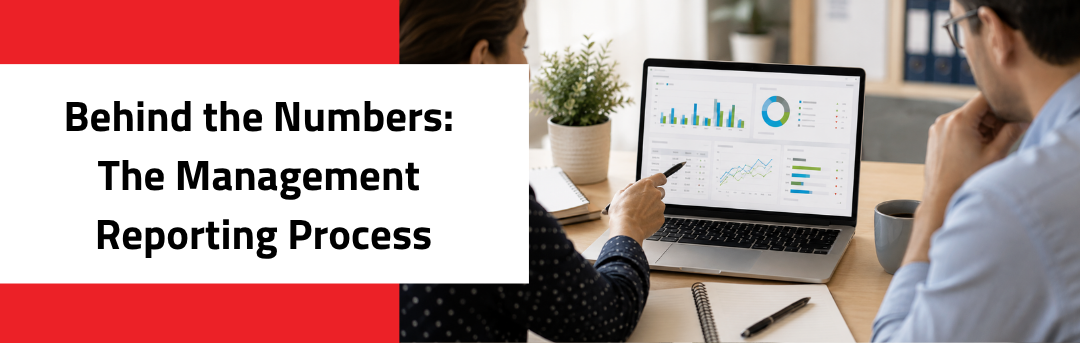
Here are some of the key steps involved.
1. Make sure the month's transactions are complete
The first step is making sure the accounting records are as complete and up to date as possible.
This includes checking that:
- Bank transactions have been entered and reconciled
-
Supplier invoices and payments have been recorded
- Income received during the month has been correctly coded
- Payroll transactions have been processed and recorded
- Any outstanding or unusual transactions have been followed up
Starting with complete and accurate information provides a sound foundation for the reporting process.
2. Review coding and account balances
Once the month's transactions are up to date, the accounts should be reviewed for anything that doesn't look right.
This includes looking for transactions that may have been coded to the wrong account, duplicated entries, unexpected balances or significant movements from the previous month.
Key balance sheet accounts should also be reviewed to ensure balances such as bank accounts, accounts receivable and accounts payable are reasonable and supported by the underlying records.
3. Make any necessary month-end adjustments
Some income and expenses may need to be adjusted so they are reflected in the correct reporting period.
Depending on the school's circumstances, this could include accruals, prepayments or other month-end adjustments.
These adjustments help provide a more accurate picture of financial performance by ensuring income and expenditure are recognised in the appropriate period, rather than simply reflecting when money was received or paid.
4. Compare actual results with budget
Once the accounts are up to date and any necessary adjustments have been made, actual income and expenditure can be compared against budget.
Significant variances should be investigated. Some useful questions to consider include:
- What has caused the difference?
-
Is it simply a timing difference?
- Is it a one-off item?
- Is it likely to continue for the remainder of the year?
- Could it affect the school's expected year-end position?
Understanding the reason behind a variance is just as important as identifying it.
5. Look at the bigger picture
Individual variances are important, but good management reporting should also provide a broader picture of how the school is tracking.
This means looking at year-to-date results, available cash and any significant commitments or upcoming expenditure, as well as considering known changes to staffing, funding, projects or other costs that could affect the school's financial position.
Looking beyond the current month helps turn management reports from a record of what has already happened into a useful tool for forward planning.
6. Add meaningful commentary
Numbers don't always tell the whole story, particularly for board members who aren't involved in the school's day-to-day finances.
Commentary provides useful context around significant variances, unusual movements and other matters that school leaders and boards should be aware of.
Good commentary should be clear and concise and, where relevant, explain:
- Why a significant variance has occurred
- Whether it is a timing difference or an ongoing change
- Whether it is expected to continue
-
What impact it could have on the year ahead
- Whether any action or further monitoring may be required
The aim is to help the reader understand the story behind the numbers without needing to work it out from the financial statements alone.
7. Complete a final review
Before management reports are presented to school leaders or the board, they should be reviewed as a complete set.
Some useful final checks include:
- Do the results make sense based on what happened during the month?
- Have significant or unusual movements been investigated?
-
Are material variances adequately explained?
- Is there anything school leaders or the board should be made aware of?
- Do the reports provide a clear picture of where the school currently stands?
A final sense-check can often identify something that wasn't obvious when reviewing individual transactions or accounts.
Having a simple month-end checklist can also help ensure these checks are completed consistently each month and that nothing important is overlooked.
A good process makes for better reporting
Accurate and useful management reports rely on more than simply running reports from your accounting system. Keeping financial information up to date, completing regular checks, investigating variances and providing meaningful commentary all contribute to a clearer picture of your school's financial position.
Following a consistent process each month helps ensure school leaders and boards have reliable information to support financial oversight, planning and informed decision-making.
If you have any questions about your school's management reports or any of the steps above, please get in touch. We're always happy to help.