Autumn is here – and so are a few important changes |
Autumn has officially arrived, even if the weather over the past three months has done its best to keep us guessing. Between late-summer heat, sudden downpours, and the occasional “is it winter already?” morning, it’s been a season of contrasts — much like the regulatory and economic landscape for businesses right now.
As we settle into cooler days (and hopefully more predictable weather), this update highlights several important tax, employment, and business changes to keep on your radar — from KiwiSaver contribution increases to Inland Revenue’s sharper audit focus, practical ways to improve cashflow, a new gateway test for Contractors v Employees, and the Government’s recently announced cost of living relief measures, including fuel support.
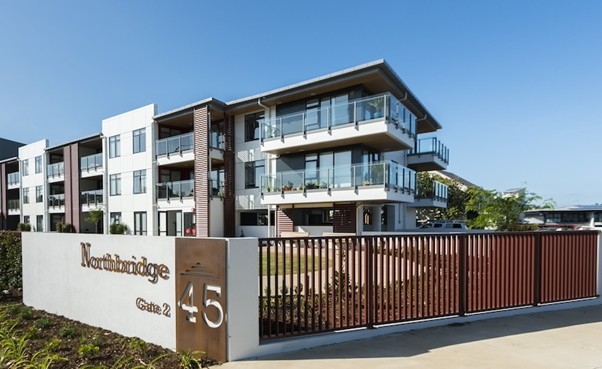
We’re also pleased to shine a spotlight on one of our valued clients in this edition — Northbridge Retirement Village.
Have questions about anything in this update — or just want to talk things through? Our friendly team is always happy to help. |
Cost of living relief : fuel support announced |
In response to rapidly rising fuel prices, the Government has announced a targeted cost of living support package aimed at helping working families manage increased transport costs. What’s changing Eligible working families will receive an additional $50 per week, delivered through a temporary increase to the In-Work Tax Credit. The support is expected to begin in early April and run for up to 12 months.
Who benefits The package is targeted at working families on lower to middle incomes, with around 140,000–150,000 households expected to qualify. Importantly, this support does not extend to beneficiaries or retirees, reflecting its focus on workforce participation. Why it matters
With fuel prices reaching record highs in some areas, transport costs have become a major pressure point. This measure is designed to provide immediate, practical relief where it’s currently needed most.
Our view This is a targeted, short-term response rather than a broad cost of living package. If you’re a working family, it’s worth checking your eligibility and ensuring your details with Inland Revenue are up to date. If you’d like help understanding how this applies to you, feel free to get in touch. |
KiwiSaver shake‑up: Contribution rates on the rise |
The Government has confirmed significant KiwiSaver changes following Budget 2025, with phased implementation over the next few years. Increase in default contribution rates From 1 April 2026, the default employee and employer KiwiSaver contribution rate will increase from 3% to 3.5%. A further increase to 4% is scheduled for 1 April 2028. These changes are designed to strengthen long‑term retirement savings for most New Zealanders. Temporary rate reduction option
Employees who cannot afford the increase may apply for a temporary rate reduction, allowing them to remain at 3% for a period of 3 to 12 months. Applications can be made from 1 February 2026, and employers may choose to match the reduced rate during this period.
Changes affecting younger workers From 1 April 2026, 16‑ and 17‑year‑olds who contribute to KiwiSaver will also qualify for employer contributions, aligning their treatment more closely with adult employees. Reduced Government contributions
Since 1 July 2025, the Government contribution has reduced from 50 cents to 25 cents per dollar contributed, with the annual maximum dropping from $521.43 to $260.72. Additionally, individuals earning over $180,000 per year are no longer eligible for the Government contribution.
What this means for employers
Payroll systems should be reviewed well ahead of April 2026 to ensure correct default rates are applied, and clear communication provided to staff about their options. |
Get paid faster: Give customers more ways to pay |
Late payments are one of the biggest pressures on small business cashflow. One simple way to get paid faster is to offer more payment options directly from your invoice.
Accept payments straight from an invoice and let customers pay the way they want to. This increases the likelihood of on‑time payment and reduces the time you spend chasing outstanding accounts. Why it matters: - 86% of customers prefer to pay via credit or debit card
- Offering options such as credit cards, debit cards, digital wallets, buy‑now‑pay‑later, and direct debit removes common excuses for delayed payment
-
Faster payments mean healthier cashflow and less administrative effort
Giving customers choice isn’t just convenient — it’s a practical way to improve your bottom line. |
April & May 2026 tax deadlines |
Now for the boring stuff. These are the most common deadlines for small/medium employers (monthly PAYE) and GST filers. Actual dates can vary by filing frequency and balance date — check myIR or contact us if unsure. 1 Apr
7 Apr
20 Apr 5 May 7 May 20 May
28 May
Make sure to plan for your tax obligations in your monthly cash flow forecasting. Reach out to your Walker Wayland Accountant if you need to review your forecast and look at options. For the full list of key dates click on the button below.
|
More audits, more scrutiny: Inland Revenue in 2025 |
Inland Revenue significantly stepped up its audit and compliance activity during 2025, supported by increased government funding and a strong mandate to protect the tax system and reduce New Zealand’s growing tax debt.
This investment is delivering results. For the 2025 year, Inland Revenue reported a return of $11.81 for every dollar spent on compliance, well above its $10.00 target. The message is clear: targeted audit activity is proving highly effective in lifting revenue collection.
Key audit focus areas Using enhanced data analytics and third‑party information, Inland Revenue is taking a more intelligence‑led approach to identifying higher‑risk areas. Current audit activity is focused on: - Property compliance
Reviewing residential property sales to ensure income tax and GST obligations are correctly reported. - High‑wealth individuals and trusts
Examining complex ownership and trust structures to identify potential tax avoidance or artificial reductions in tax liabilities. - Corporate restructuring
Scrutinising restructures designed to achieve tax advantages. -
Emerging online risks, including:
- Cryptocurrency transactions
- Income earned by digital content creators
-
Hidden economy and income suppression
Targeting businesses operating outside the tax system or deliberately understating sales, with a particular focus on Electronic Sales Suppression Tools. - Unfiled returns and overdue debt
Actively pursuing outstanding returns and collecting overdue tax debt.
With Inland Revenue maintaining a strong focus on compliance, now is a timely opportunity for businesses and individuals to review their tax positions and ensure everything is in order. |
|
|
Contractor or employee? A new legal test changes the rules |
Recent amendments introduce a new statutory gateway test designed to provide greater certainty for businesses engaging independent contractors. Where five specified criteria are met, qualifying contracting arrangements are protected from being challenged or reclassified as employment relationships. This change is intended to reduce uncertainty and litigation risk for genuine contractor engagements, particularly in industries where independent contracting is common.
Key features of the new gateway test include: - Broader definition of “worker”
The definition now extends beyond individuals to include legal entities, such as companies and trusts, recognising modern contracting structures. - Freedom to work elsewhere
Contractors must not be restricted from providing services to other businesses, reinforcing the principle of independence. - Reasonable vetting permitted
Businesses may carry out checks on subcontractors — such as verifying qualifications or criminal history — where this is justified by the nature of the work. - Protection from forced additional work
Once a contract is confirmed, it cannot be terminated solely because a contractor declines work beyond what was originally agreed.
Overall, these changes aim to give businesses more confidence when structuring contractor relationships. However, the gateway test does not remove the need for careful contract drafting, practical alignment with the working arrangement, and ongoing compliance.
➡️ Practical takeaway: Even with the new protections, poorly structured or inconsistently applied contractor arrangements may still be open to challenge. |
Client feature: Northbridge Retirement Village |
Located in Northcote on Auckland’s North Shore, Northbridge is a welcoming and vibrant retirement community owned and managed by the Northbridge Lifecare Trust. Catering to people aged 70 and over, Northbridge provides a supportive environment that encourages independence, connection, and an active lifestyle.
Northbridge operates as a not‑for‑profit organisation, registered under the Charitable Trusts Act 1957, making it one of only a small number of retirement villages of this kind in New Zealand. This charitable structure enables Northbridge to offer affordable housing options, while still maintaining attractive, well‑appointed apartments and high‑quality facilities. Walker Wayland director Nick Self has been a trustee of Northbridge since 2008.
A defining feature of the community is its resident‑led culture. Many organised and casual activities are initiated and run by residents themselves rather than paid staff, reflecting a long‑standing tradition of independence and strong community pride.
Residents enjoy access to an impressive range of facilities, including an indoor swimming pool and spa, bowling and croquet greens, flight simulator, snooker room, allotment gardens, and an on‑site theatre. Additionally, the apartments are surrounded by well-established gardens, creating a tranquil and picturesque environment that complements the retirement lifestyle beautiful. Independent Apartments
Northbridge offers a range of one, two, and three‑bedroom independent apartments, ideal for individuals seeking a fulfilling and self‑directed retirement. Each layout has been thoughtfully designed to maximise space and functionality, with apartments refurbished and modernised to a high standard prior to relicensing.
The incredible location offers unmatched convenience for residents. Situated close to the iconic Harbour Bridge, the retirement village provides swift and easy access to various destinations, making travel a breeze. For day-to-day needs, there is an array of shops within reach, ensuring that groceries, dining, and retail therapy are just moments away. The prime location combines accessibility with a vibrant neighbourhood, enhancing the living experience.
Care Facility
In addition to independent living, Northbridge operates a 96‑bed care facility, providing Rest Home, Hospital, and Memory Care accommodation. Residents are encouraged to participate in daily Diversional Therapy programmes, with Physiotherapy services also available.
The Care Facility is fully certified by Health New Zealand | Te Whatu Ora, reflecting its commitment to quality care and professional standards.
If you or a family member are considering retirement living on Auckland’s North Shore, Northbridge welcomes enquiries and visits. To learn more about available apartments, care options, or to arrange a tour of the village, contact the friendly Northbridge directly and discover how their community‑focused approach supports a rewarding and confident retirement. |
P O Box 2175 Auckland 1140 |
|
|
|