Winter often highlights the areas of a Body Corporate property that require the most attention, particularly across shared systems, building exteriors, and common property areas managed collectively by owners.
At this time of year, it’s not just about reacting to issues as they arise, it’s about getting ahead of them. A proactive approach to maintenance can help reduce repair costs, minimise disruption for residents, and protect the long-term value of the property as a shared asset.
Here are the key areas worth keeping an eye on this winter.
1. Roofs, Gutters, and Drainage Systems
One of the most common winter issues we see in multi-unit buildings is water getting in where it shouldn’t - and very often, it starts with gutters and drainage.
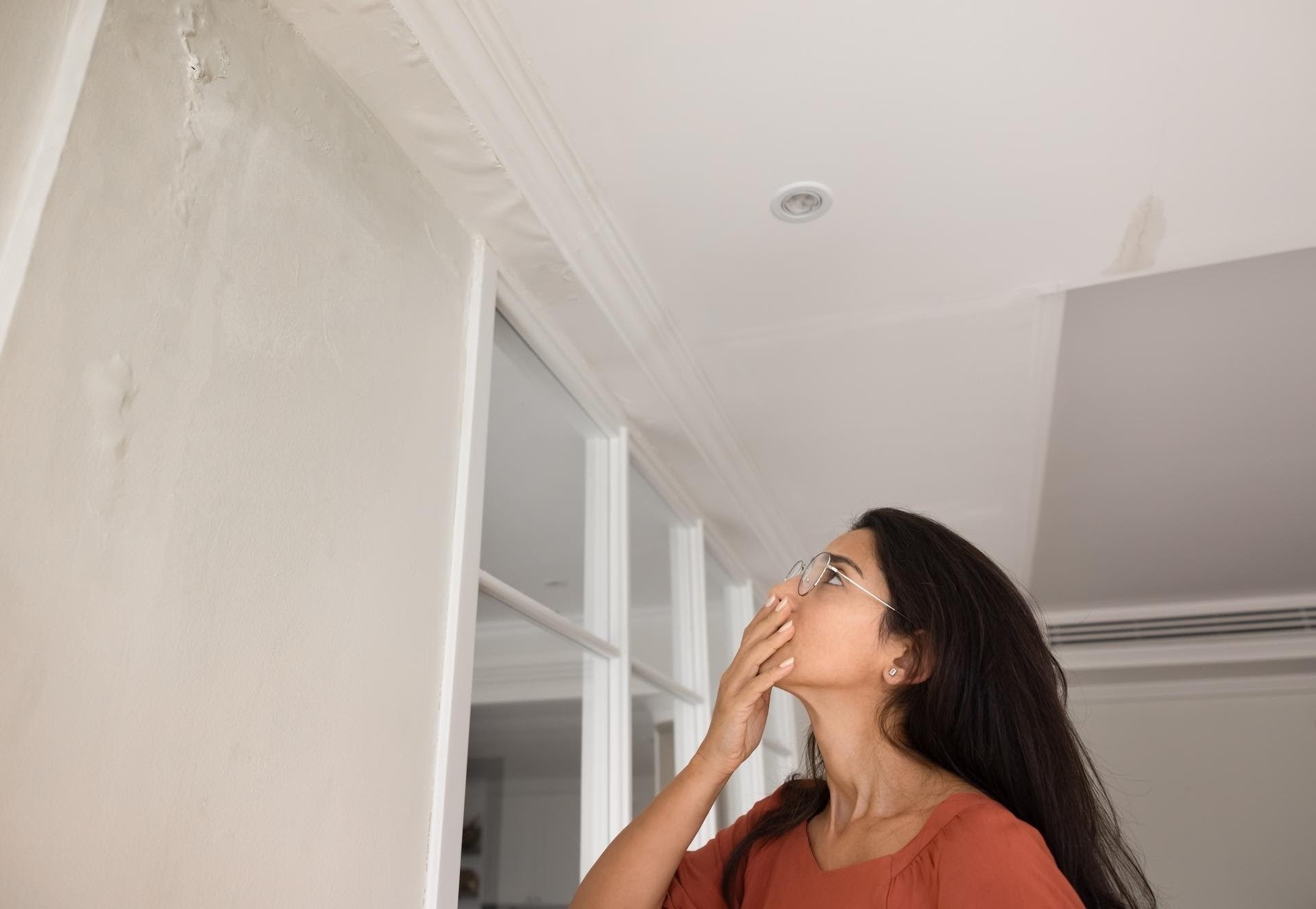
Leaves, debris, and moss can quickly build up and stop water flowing properly. When that happens, water can overflow and start affecting exterior walls, foundations, and even internal ceilings.
A few practical things worth checking:
- Gutters and downpipes are clear before and during winter
- Roof tiles or shingles are in good condition and not loose or damaged
- Stormwater drains are flowing freely
- There’s a clear path for heavy rain to drain away from the building
It’s one of those areas where a small bit of maintenance now can prevent much bigger (and more expensive) issues later.
2. Moisture, Mould, and Ventilation
Winter in New Zealand often means more time indoors, heating running more often, and less natural airflow. In apartment and shared buildings, that combination can quickly lead to condensation and mould if things aren’t well ventilated - affecting both the building and resident wellbeing.
Things worth keeping an eye on:
- Ventilation systems in common areas are working properly
-
Extractor fans in shared spaces like laundries, bathrooms, or garages are functioning
- Residents are encouraged to ventilate their homes when possible
- Any signs of dampness or condensation are addressed early
The earlier these issues are picked up, the easier they are to manage.
3. Heating and Common Area Systems
Shared heating systems, boilers, and heated common areas tend to work harder over winter. When they’re running constantly, small issues can quickly turn into bigger disruptions.
No one wants heating or hot water issues in the middle of a cold spell, so a bit of forward planning goes a long way.
Recommended checks:
-
Heating systems are serviced before peak winter demand
- Energy usage is monitored for unusual spikes
- Timers and controls are working correctly
- Hot water systems are delivering consistent performance
Preventative servicing is almost always easier and more cost-effective than emergency repairs.
4. Building Exterior and Weatherproofing
Winter weather tends to highlight any weaknesses in a Body Corporate building’s exterior. Wind-driven rain and cold conditions can turn small cracks or worn sealant into real problems. What might not be noticeable in warmer months can become a water ingress issue very quickly in winter.
Key areas to keep an eye on:
- Window and door seals are intact and not deteriorating
-
Expansion joints and exterior cladding are in good condition
- Balconies and waterproof membranes are sound
- External paintwork and protective coatings haven’t broken down
Keeping on top of weatherproofing helps protect the building as a whole, not just individual units.
5. Emergency Readiness and Response Planning
Winter weather can be unpredictable, and storms or heavy rain can sometimes create urgent issues with little warning. When something does go wrong, having a clear process in place makes a big difference to how quickly it gets resolved.
Good things to have in place:
- Clear communication channels for residents to report issues
- Up-to-date contractor contacts for urgent repairs
- A defined escalation process for emergency situations
- Regular reminders so residents know who to contact
Being prepared helps reduce stress for everyone when issues do arise.
Final Thoughts
Winter maintenance isn’t just about fixing problems; it’s about preventing them where possible. When your building is well maintained, it helps reduce unexpected costs, limits disruption for residents, and supports the long-term value of the property.
If you’d like support reviewing your maintenance plan or prioritising winter works, we’re here to help make sure nothing important gets missed.